Cloud Computing
Unlocking On-Demand IT Resources Through Virtualization and Automation
Browse all 9 productsProducts
Cloud computing is a core digital technology with outstanding flexibility, cost efficiency and intelligence. Its capabilities are built on four key technologies: virtualization, autonomic computing, utility computing and storage server infrastructure. These technologies address traditional IT drawbacks including low resource utilization, high costs and unstable services, underpinning modern digital industry development.
As cloud computing's foundational technology, virtualization splits physical hardware into independent virtual units. It eliminates rigid hardware-service binding, enables scalable virtual clusters and dynamic resource scheduling. This boosts hardware efficiency, speeds up service iteration and cuts enterprise IT costs, enabling cloud elastic scaling and on-demand resource delivery.
Autonomic computing realizes intelligent cloud operation. It replaces inefficient, error-prone manual maintenance with self-monitoring, self-healing and self-optimization functions. Cloud systems can adapt to traffic fluctuations, handle sudden load peaks and fix faults automatically, shortening recovery cycles, reducing labor costs and sustaining stable large-scale cluster operation.
Utility computing standardizes cloud service and commercial models. It converts computing power, storage and bandwidth into measurable public services. The pay-as-you-go on-demand model avoids resource waste from redundant hardware deployment and improves the service instability of traditional computing, delivering cost-effective and reliable cloud services for enterprises.
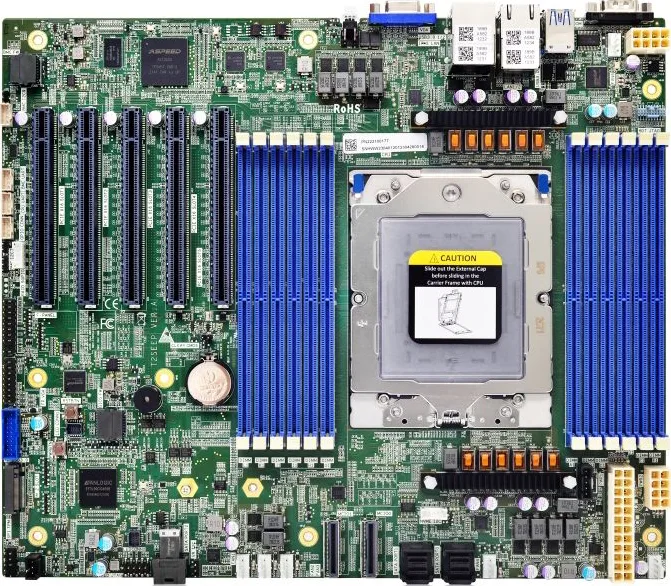
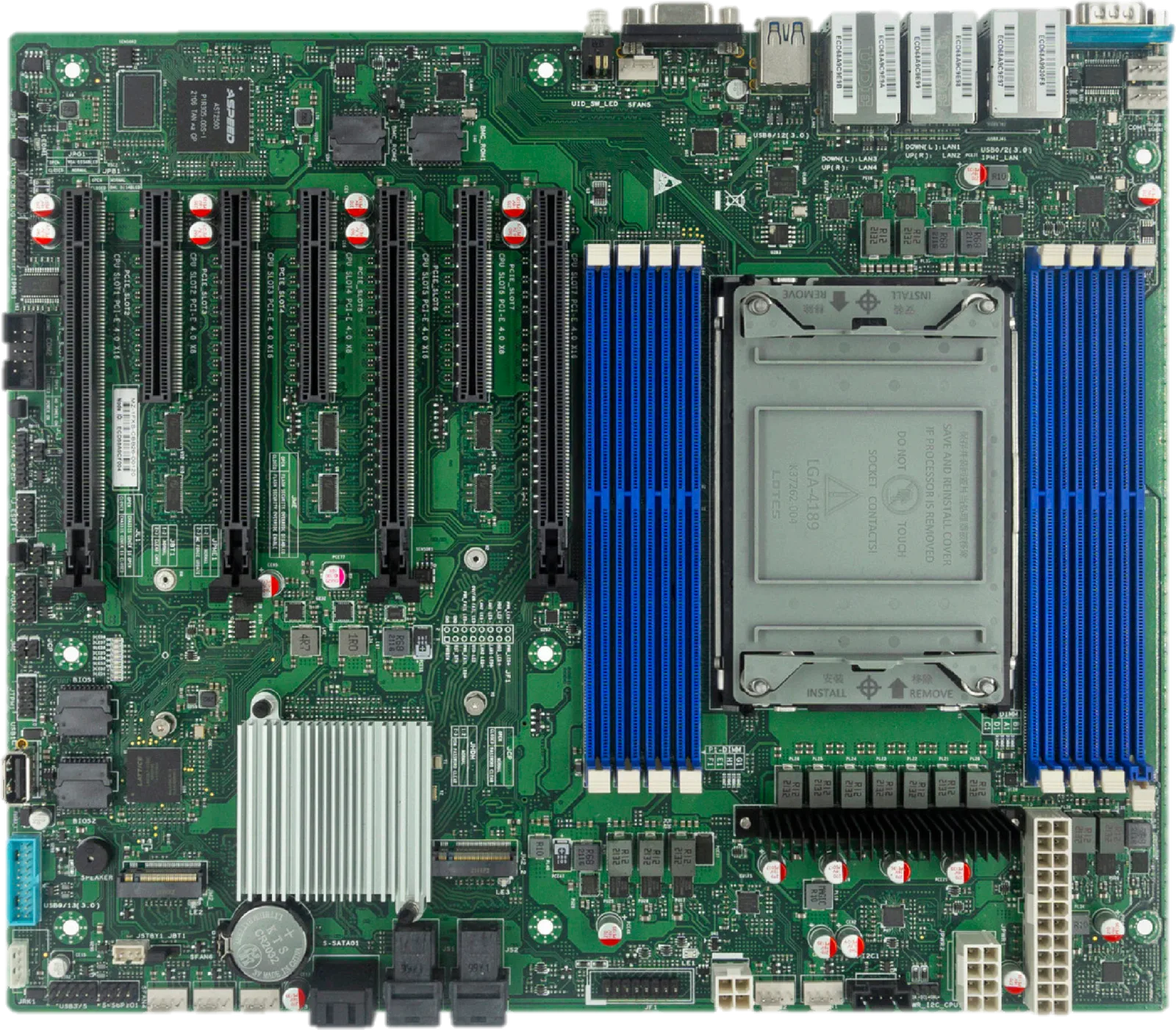
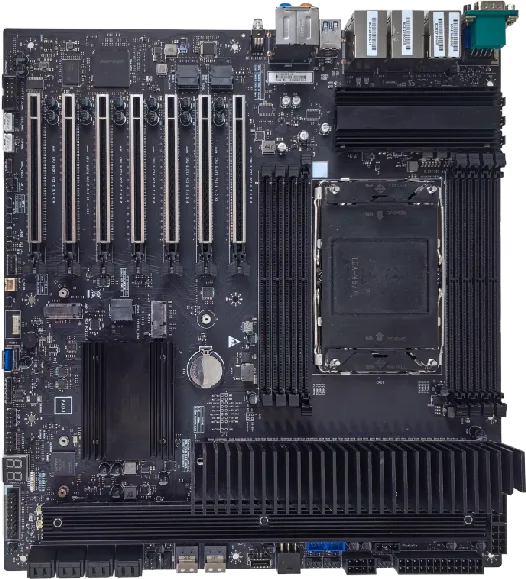
Storage servers act as cloud computing's physical foundation. Distributed high-performance storage clusters support centralized data storage, fast access and stable resource bearing. Their performance directly determines cloud platforms' overall service quality, data security and scalability.
The four technologies form a tight collaborative system. Physical storage provides basic hardware support; virtualization enables flexible resource allocation; autonomic computing ensures intelligent and stable operation; utility computing standardizes service billing. Their synergy solves traditional IT rigidity and inefficiency, forming cloud computing's core competitive strengths.
Cloud computing has achieved extensive industrial adoption. It simplifies enterprise digital construction, supports business optimization and lightweight office operation. For big data and AI fields, it provides massive computing and storage resources to support data analysis and model training. In smart cities and public services, its elasticity and reliability stabilize large-scale digital services and improve public resource utilization.
To conclude, cloud computing integrates virtual resource abstraction, intelligent operation, on-demand services and physical infrastructure support. It reduces enterprise IT construction thresholds and costs while fixing traditional computing reliability flaws. With ongoing technological upgrades, cloud computing will become more intelligent, scalable and secure, continuously driving global digital transformation and industrial intelligent upgrading.